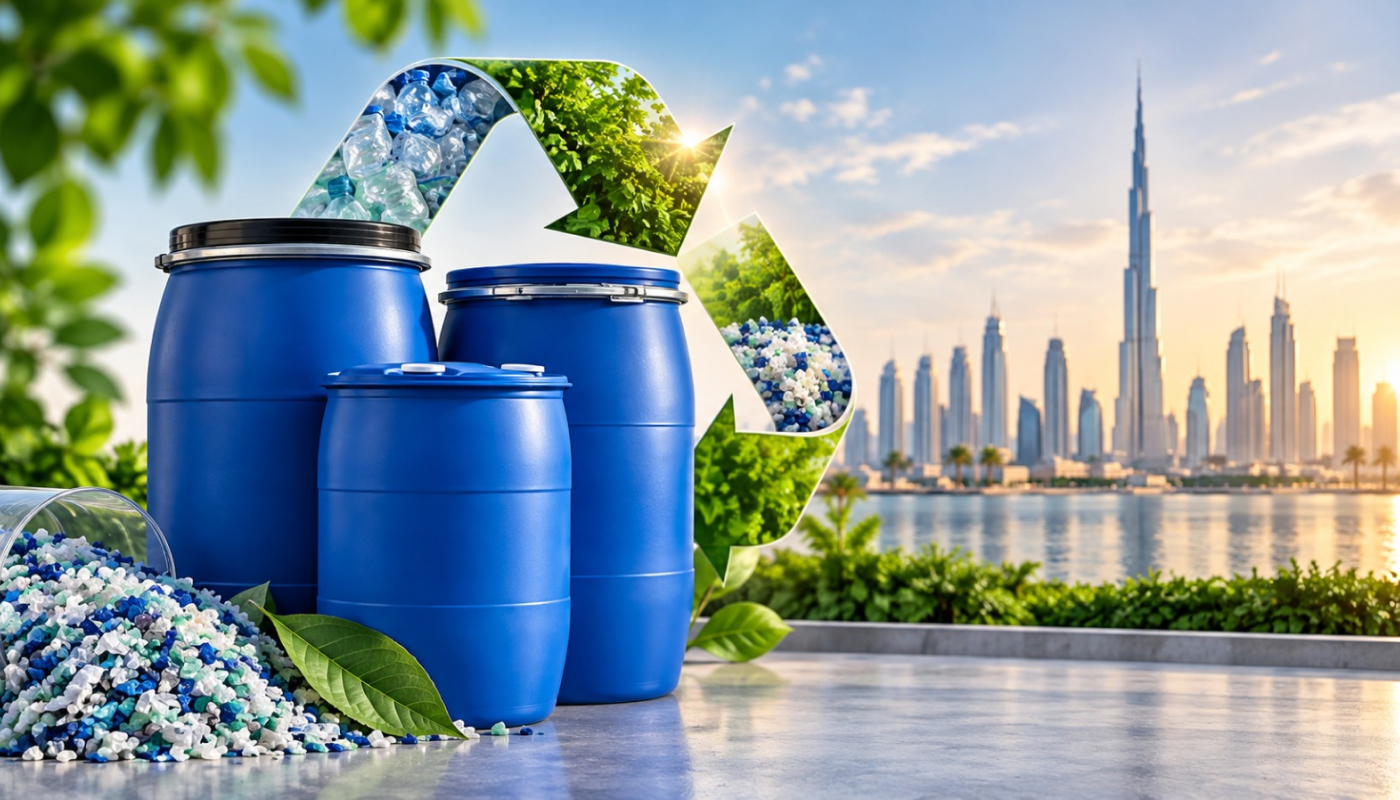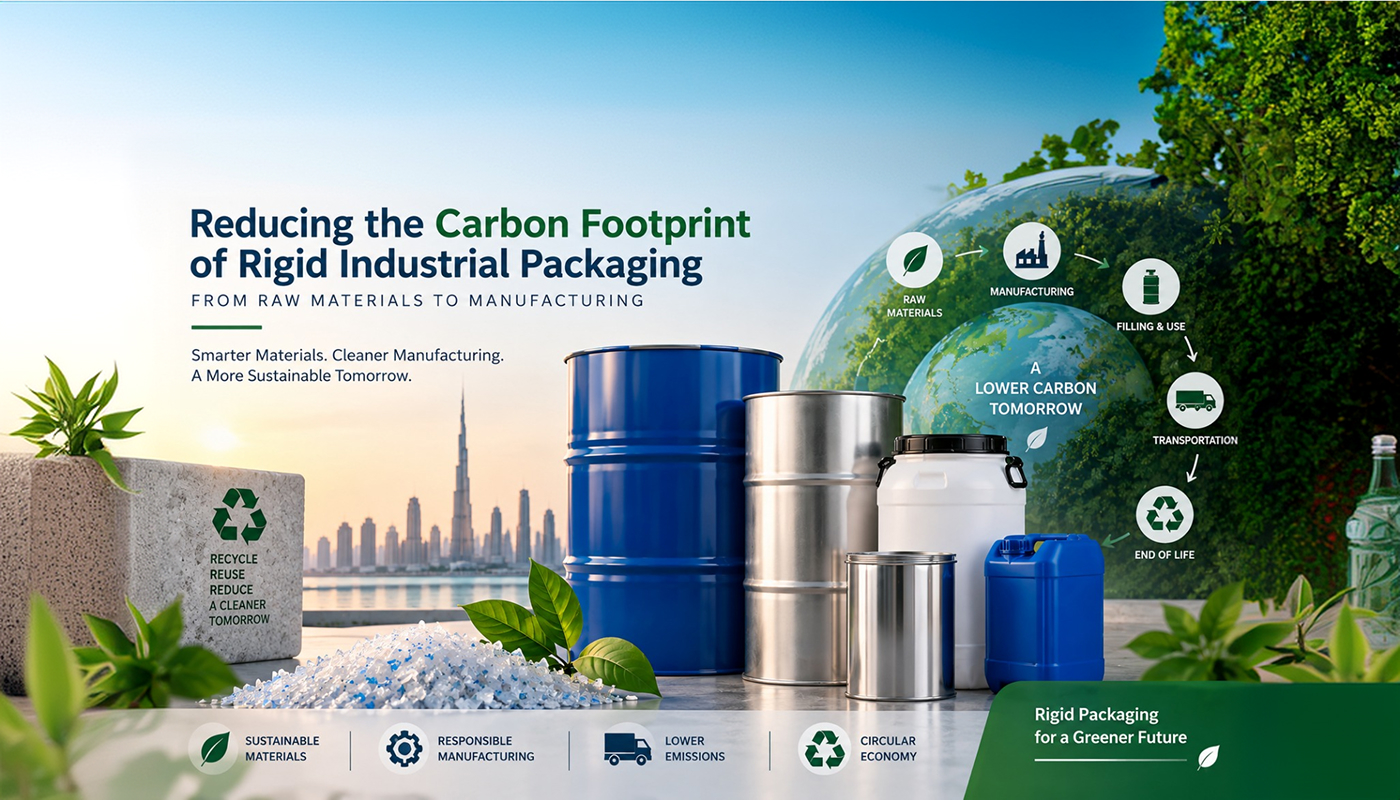



Choosing the right Chemical Packaging Solutions is essential for protecting products, ensuring workplace safety, and maintaining compliance throughout the supply chain. Whether chemicals are transported locally or internationally, the right packaging minimizes risks, preserves product quality, and supports efficient logistics. Businesses that invest in reliable industrial packaging not only safeguard their operations but also strengthen customer trust and meet evolving industry standards.
Why Industrial Chemical Packaging Matters
Chemical products are among the most sensitive materials handled in industrial supply chains. From raw materials to finished products, every stage of storage and transportation presents potential risks if the packaging is not designed for the chemical being transported.
A high-quality packaging solution does much more than contain a product. It protects against leakage, contamination, environmental exposure, and physical damage while ensuring the chemical reaches its destination in the same condition it left the manufacturing facility.
This is why investing in industrial chemical packaging is a strategic business decision rather than simply a packaging expense. Reliable packaging improves operational efficiency, reduces product losses, and helps companies comply with international transportation regulations.
Understand Your Chemical Before Selecting Packaging
Every chemical has unique physical and chemical properties, making it important to evaluate the product before choosing its packaging.
For example, corrosive chemicals require containers that resist chemical reactions, while flammable liquids demand packaging capable of maintaining structural integrity under demanding conditions. In addition to the chemical's composition, factors such as storage conditions, transportation requirements, and environmental exposure should also be considered when selecting the right packaging.
Before selecting packaging, businesses should evaluate:
- Chemical composition and compatibility
- Storage duration
- Transportation distance
- Environmental conditions
- Handling requirements
- Regulatory obligations
A careful assessment helps ensure the packaging performs reliably throughout the product's lifecycle.
Choosing Between Steel and Plastic Packaging

The packaging material plays a significant role in protecting industrial chemicals. Two of the most widely used solutions are steel drums and plastic drums, each designed for different applications.
Steel Drums for High-Performance Applications
For industries handling petroleum products, solvents, lubricants, and hazardous chemicals, steel drums for chemicals continue to be one of the most dependable choices.
Their exceptional strength makes them ideal for demanding industrial environments where containers must withstand rough handling, stacking, and long-distance transportation. Steel drums also provide excellent protection against impact, helping maintain product integrity throughout the supply chain.
When durability and long service life are priorities, steel drums remain a preferred solution across multiple industries.
Plastic Drums for Chemical Resistance
Many liquid chemicals benefit from the versatility of plastic drums for chemicals. Manufactured from high-quality polymers, these containers offer excellent resistance to numerous chemical substances while remaining lightweight and easy to handle.
Plastic drums are commonly used for water treatment chemicals, cleaning solutions, agricultural products, and several non-flammable industrial liquids. Their lower weight can also contribute to improved logistics efficiency and reduced transportation costs without compromising product safety.
Selecting between steel and plastic packaging ultimately depends on the characteristics of the chemical and its intended application.
Unsure which packaging option is right for your application? Speak with our packaging specialists to find the most suitable solution for your chemical storage and transportation requirements.
Safe Packaging for Hazardous Chemicals
Handling dangerous goods requires specialized packaging that complies with strict safety regulations. Selecting the right packaging for hazardous chemicals helps reduce risks during storage, transportation, and handling.
Businesses dealing with hazardous materials should carefully evaluate:
- Chemical hazard classification
- Container strength
- Leak prevention capabilities
- Closure systems
- Transportation regulations
- Storage environment
Proper packaging significantly reduces the possibility of spills, contamination, workplace accidents, and environmental damage while ensuring safer movement of hazardous products across domestic and international markets.
Why UN Certification Matters
For chemicals classified as dangerous goods, packaging may need to meet applicable UN performance standards and transport regulations. UN-certified packaging is tested against defined performance requirements to support the safe transportation of regulated materials.
These packages are designed to withstand demanding transportation conditions, including stacking pressure, vibration, and impact during shipping.
Choosing certified packaging provides several advantages:
- Meets international transportation regulations
- Supports safer handling of hazardous materials
- Reduces shipment rejection risks
- Enhances customer confidence
- Simplifies export documentation and compliance
Certification not only protects products but also reinforces a company's commitment to safety and quality.
Common Mistakes Businesses Should Avoid
Choosing industrial packaging without considering operational requirements can lead to unnecessary risks and increased costs.
Some common mistakes include:
- Selecting packaging based only on price
- Ignoring chemical compatibility
- Using non-certified containers for dangerous goods
- Overlooking transportation conditions
- Failing to comply with international regulations
Working with an experienced packaging manufacturer helps businesses avoid these challenges while improving overall supply chain reliability.
Choosing the Right Packaging Partner
The quality of industrial packaging depends not only on the container itself but also on the expertise of the manufacturer behind it.
An experienced packaging partner understands industry regulations, material performance, manufacturing precision, and evolving customer requirements. They can recommend packaging solutions tailored to specific chemical applications while maintaining consistent quality standards.
When evaluating a supplier, businesses should look for manufacturing expertise, advanced production facilities, strict quality control processes, and a proven track record of serving industrial sectors.
Why Balmer Lawrie UAE is the Preferred Choice
For businesses seeking reliable chemical packaging in the UAE, choosing the right manufacturing partner is just as important as selecting the right packaging solution.
Balmer Lawrie UAE provides industrial packaging solutions for the requirements of chemical, lubricant, paint, coating, and other industrial applications. With advanced manufacturing capabilities and rigorous quality assurance processes, the company produces packaging that supports safe storage, efficient transportation, and long-term product protection.
Its product portfolio includes steel drums for chemicals, durable plastic drums, industrial pails, and other packaging solutions engineered for demanding industrial applications. Whether customers require Hazardous Material Packaging for regulated products or high-performance containers for everyday industrial use, Balmer Lawrie UAE delivers solutions designed to meet international quality expectations.
By combining innovation, engineering excellence, and customer-focused service, Balmer Lawrie UAE continues to help businesses operate with greater confidence across local and global supply chains.
Looking for the right chemical packaging solution for your business? Speak with our packaging specialists to discuss your requirements and discover the right industrial packaging solution for your business.
Frequently Asked Questions (FAQ’s)
- What type of packaging is best for chemicals?
The appropriate packaging depends on the chemical's properties, compatibility, hazard classification, storage requirements, and transportation conditions. Steel or plastic drums may be suitable depending on the application.
- Are steel drums suitable for chemicals?
Steel drums can be suitable for many chemicals, solvents, lubricants, and petroleum-based products where strength and durability are required. Chemical compatibility should always be assessed before selection.
- When is UN-certified packaging required?
UN-certified packaging may be required when transporting materials classified as dangerous goods, depending on their classification, mode of transport, and applicable regulations.
- Are plastic drums suitable for chemical storage?
Plastic drums can be suitable for many compatible liquid chemicals because of their chemical resistance, relatively low weight, and ease of handling.
- How do I choose between steel and plastic drums?
Consider chemical compatibility, hazard classification, product characteristics, storage conditions, transportation requirements, handling, and applicable regulations.